The Sompura Brahmins, also known as Somvanshi, trace their lineage back to the Vedic era. The Vedic mantra “इमन्देवा असपत्न्या” states “सोमोस्माकं ब्राह्मणानां राजा” which means that the moon god is the king of our Brahmin lineage. Although we may not have physically come from the moon, our ancestors hailed from the land where the moon held its influence. In Vedic culture, the moon is associated with the origin of herbs, which have a purifying effect on the internal organs and mechanisms of the body. It is believed that the people from the land influenced by the moon’s energy possessed the purest blood, which we identify as “Aryan blood.”
We follow our traditions for centuries.
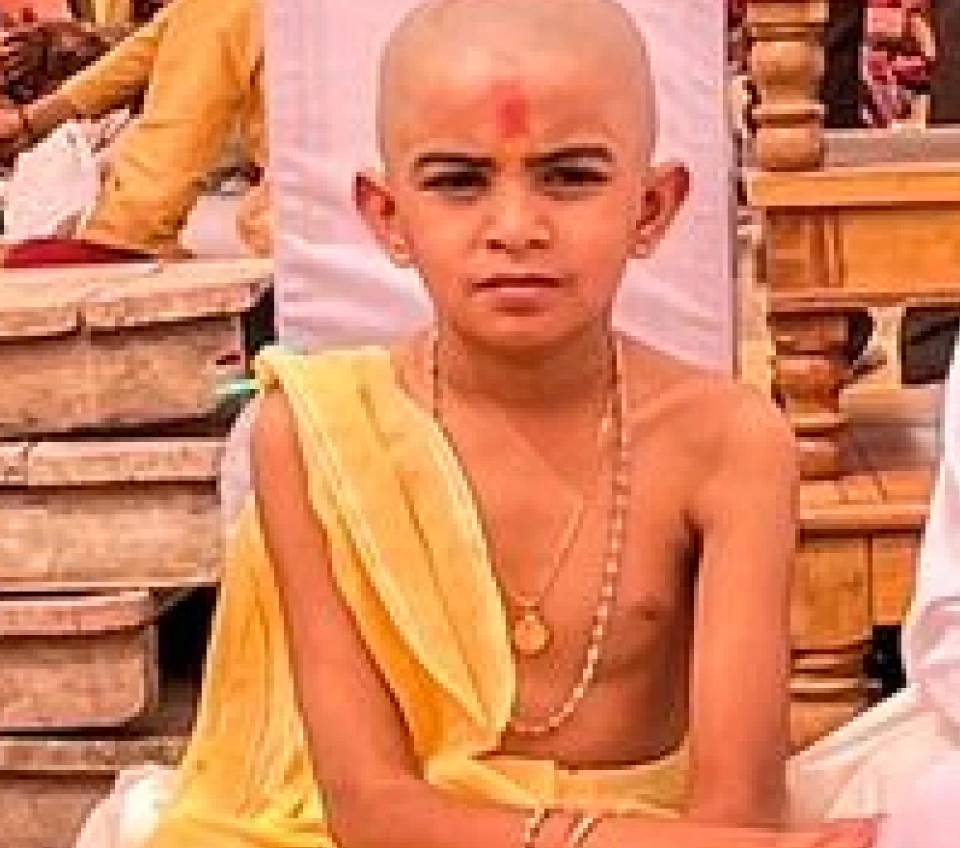
Vedarambha samskar called Janoi or sacred thread ceremony, is traditional and based upon Vedic texts, mundan (bold head) is essential and Gayatri mantra diksha is performed by seers or gurus. A must see event for those who wants to understand the vedic traditions as it was is till as on date intact.
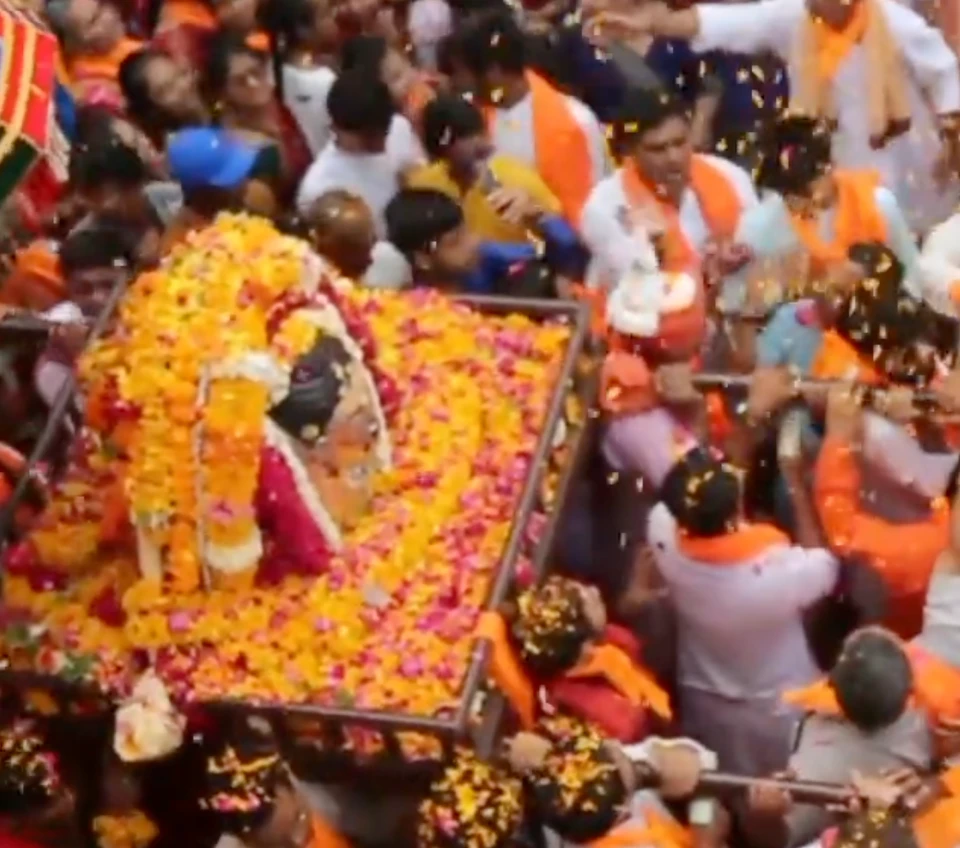
Sompura brahmins are celebrating Palkhi Yatra every year in a month of May at Somnath Temple. They do Somnath Mahadev yatra around the somnath town and do the worship. There are thousands of devotees joins this Palkhi Yatra from around the globe to celebrate and get blessed.
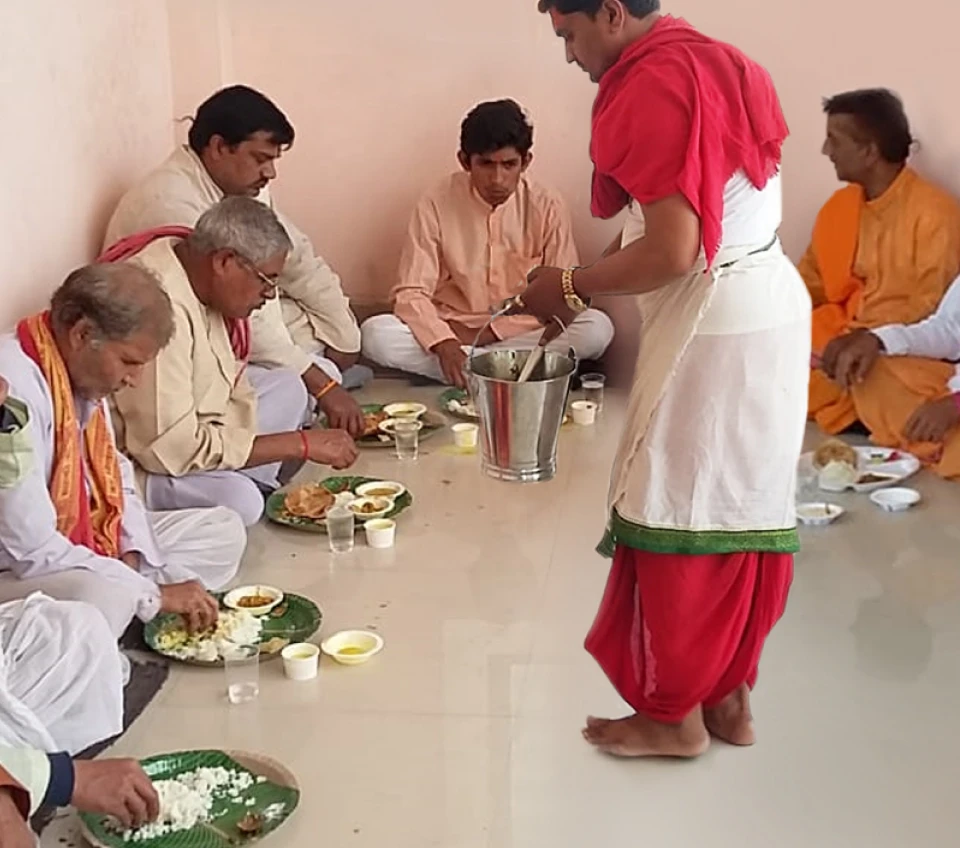
Brahma bhojan is unique tradition, only dhoti weared people of sompura Brahmin cook and serve foods to caste fellows, caste members also wears traditional dhoti and kurta.
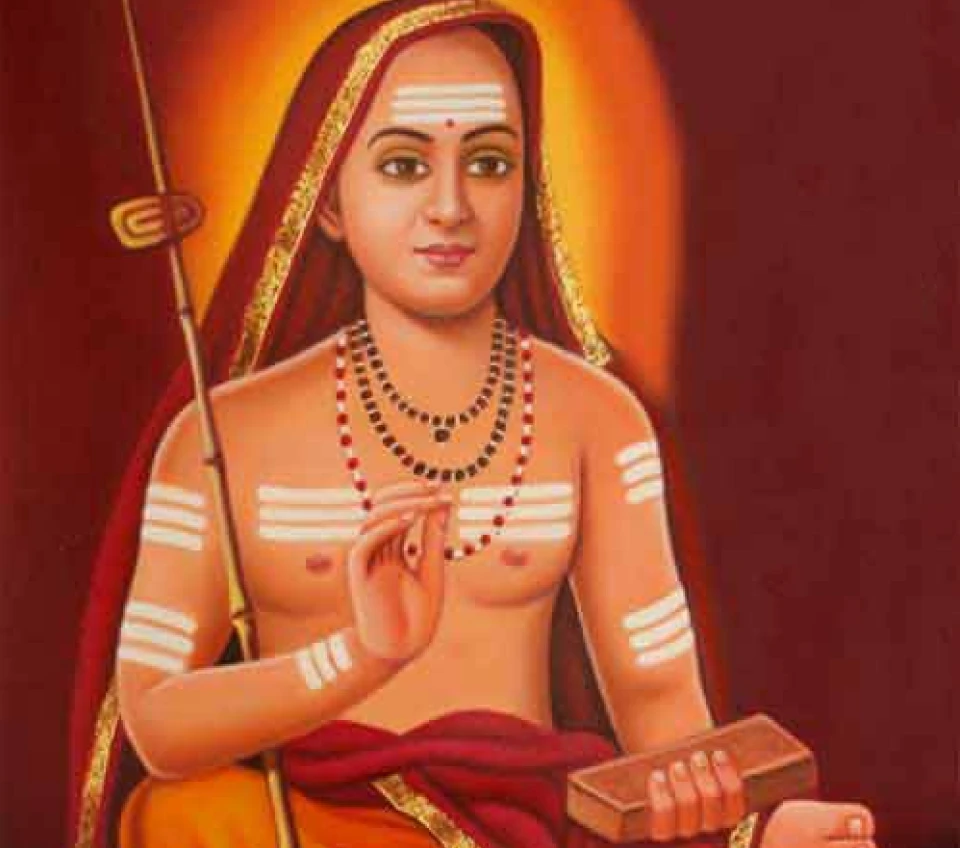
The word "Guru" in Sanskrit means "teacher" or "spiritual guide," and "Purnima" refers to the full moon day. Therefore, Guru Purnima is a day dedicated to honouring the role of the guru in one's life and paying respects to them.
It is a traditional Hindu festival celebrated to honor and express gratitude towards spiritual teachers, mentors, and gurus.
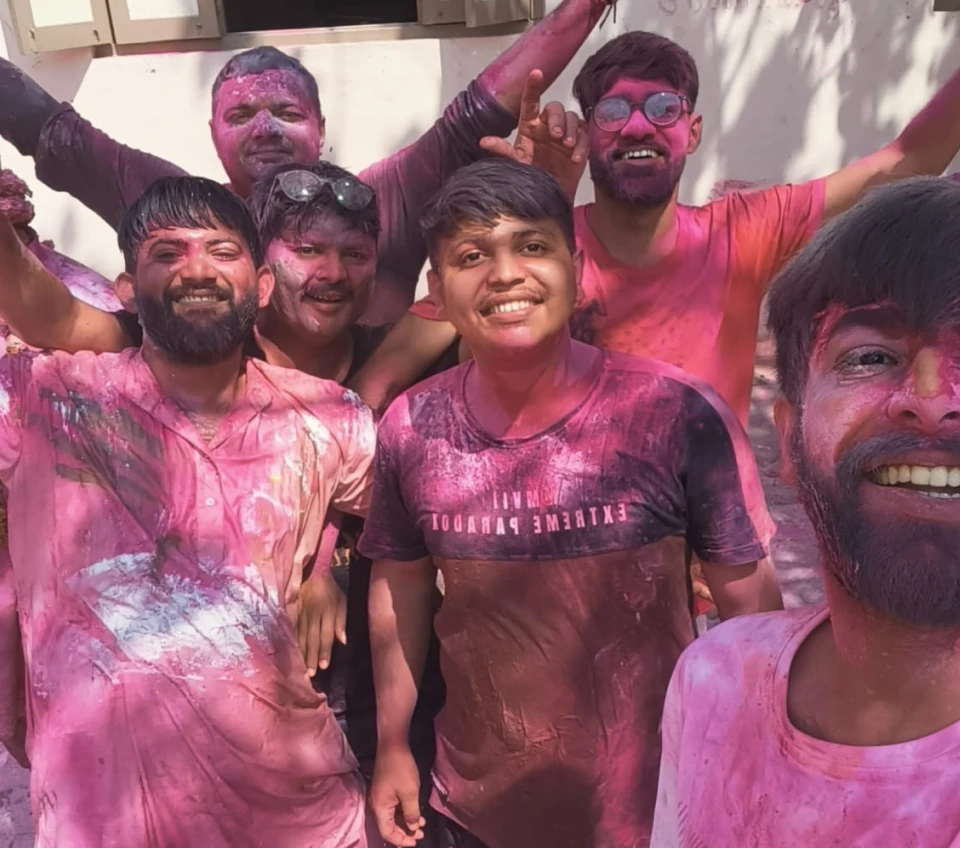
Dhuleti is celebrated with Bhairavnath idol puja and Holika pujan and Dahan. The flag over Holi flies in sky on burning Holi, experts see and forecasts about rain (A total unknown science for rest of world) in communal ground sompuras being gathered to celebrate Holi with natural colours of Kesuda (Butea monosperma flower) and other natural ingredients.
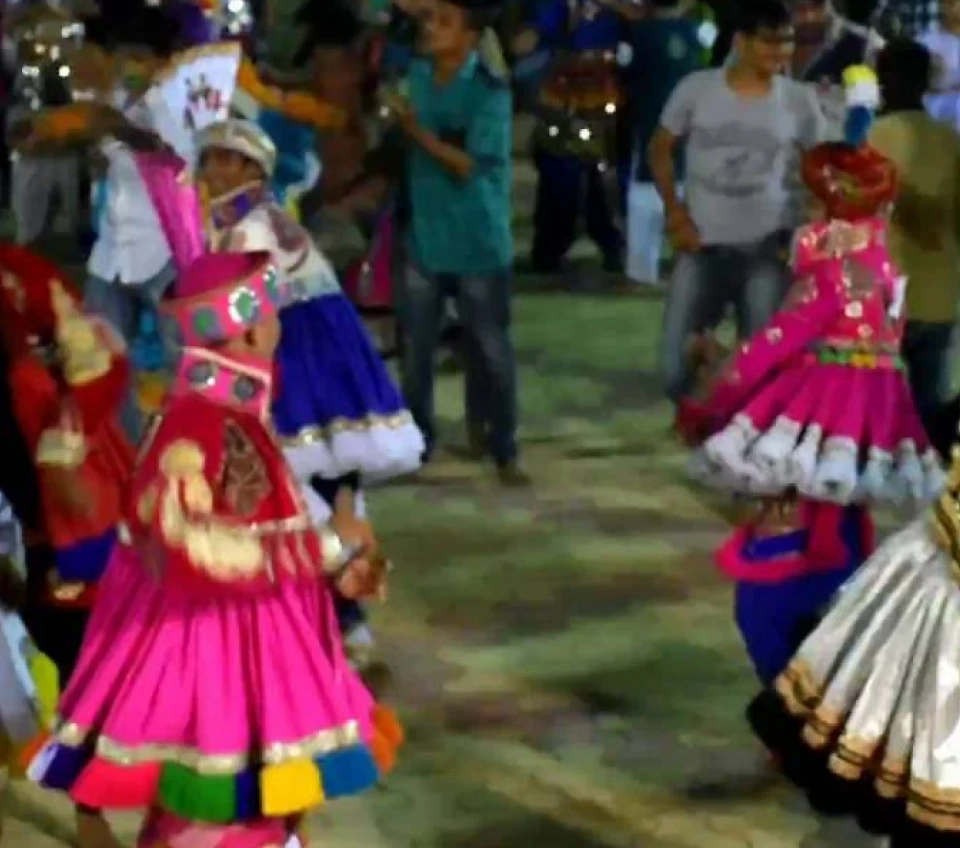
Navaratri is a Hindu festival celebrated over nine nights and ten days. The word "Navaratri" is derived from two Sanskrit words: "nava," meaning nine, and "ratri," meaning night. The festival typically occurs in the Hindu calendar month of Ashvin, which falls in September or October in the Gregorian calendar.
Navaratri is dedicated to the worship of the Hindu goddess Durga or Shakti, in her various forms such as Parvati, Lakshmi, and Saraswati.
According to their traditions, the Sompura Brahmin are so named because they were created by the god Chandra to perform sacred ceremonies called Som Yaina for the god Shiva. They are concentrated in the town of Prabhas Patan and form one of the oldest Brahmin communities in Gujarat. They speak Gujarati. Skand Puran gives the reference for the creation of Sompura Brahmins wide its chapters 21/22/23/24.
The Agnihotri brahmins from Chandra Lok came to Prabhas Patan with Hemgarbha—the chief secretary of Moon God to conduct a pratishtha yagya of the first temple of lord Somnath and after the yagya the moon god requested these Brahmins to stay there.
These Brahmins stayed near Somnath so they are called Sompura Brahmins. Generally, civilisations develop and move with the source of water worldwide, but the Sompura Brahmin is the only class who have been stable near Somnath for at least 2000 years.
In the 10th century some families with children, aged people, and pregnant women migrated towards Rajasthan, Maharashtra, and the South. Rajasthan class vipers adopted temple architecture, they are known as Sompura Shilpi, while southern classes merged with local culture but retained their origin samskara. Today many families are near Madurai; historically their roots lie in the Sompura dynasty.
 +91-997-9121-200
 contact@sbtps.org